Using Free Website Builders are Not a Path to Digital Success
June 9, 2020
Success in the digital realm requires more than fast & free.

Digital accessibility is the trend of trends in the age of the internet. With the desire to develop side gigs into full-scale businesses and blog-style journaling at an all time high, it seems like everyone needs a website now. While the market answered the demand for fast, free website creation via build-you-own services, are those services the best way forward to your digital success?
Starting with the basics of free website builders – they are free, generally quick to set up, and come without much support. While each building service comes with its own set of instructions, most have the same basic restrictions.
- Page limits – Most commonly, free services some with page limits. This means that you cannot build the in-depth, interesting site that your passion deserves.
- Limited templates – The amount of design options with free-builders is restricted heavily. While many of the designs are clean and efficient, how many other websites will have the exact same look as yours? While you can often change the color pallets for your website, the design is likely to be the same as countless other users of the building service you’ve selected.
- No custom domain names – Free builders do not allow you your own domain name. While this may not feel like a detriment at first, the impression of “yourbusiness.freebuilder.com” is felt by potential clientele.
- Free-builder self-branding – There is no escaping the branding from free-builder sites. Whether the branding is a set of badges to be placed throughout your site, or a favicon (the small avatar next to the website title in the tab) that represents the building service, the service that you used to build your website will make it known to your clients that you used a free service.
Many e-critics will credit free website building services as being a good starting block for developing a business’s internet presence, but those services leave you just there – the starting block. If you’re looking to run the whole race, the internet marketplace is an environment where you generally get what you pay for. When searching for the best options in your web-development needs, be sure to make sure you’re getting what you know you need. Paying for website building should include:
- Ad-free options – Unlike free-builders, paid services come with the option to leave your website ad-free. If you would like to generate ad revenue on your website, you can choose the placement and sometimes the advertisements themselves.
- Service bundles – When working with a paid service, whether it’s build-your-own or not, you should be given options to bundle the cost of building, hosting, and optimizing your website. This becomes especially important when seeking Search Engine Optimization (SEO) for your business. Paying for web development often comes with SEO options that free-builders will neglect.
- Customer service – For the betterment of both you and your customers, paid services will come with vital professional support for your website. Many paid services also monitor your site for you, lowering the risk of problems lingering under your nose.
As the shape of the internet remoulds and adjusts to market demands over time, the need to stand out above the competition will continue to grow. While more free website builders continue to launch, the monotony of preselected designs will become more glaring. If you’re seeking web success for your business, MysticMedia Dot Com has the tools to help you down the path; please contact us for any of your web-service needs.

Sometimes making a difference starts with something as simple as sharing a pizza. We were inspired by Jay Luigi, a Ciccio Restaurante Group brand, and its mission. Their participation encouraged MMDC to contribute directly and help spread the word about a program that brings restaurants and communities together to figh
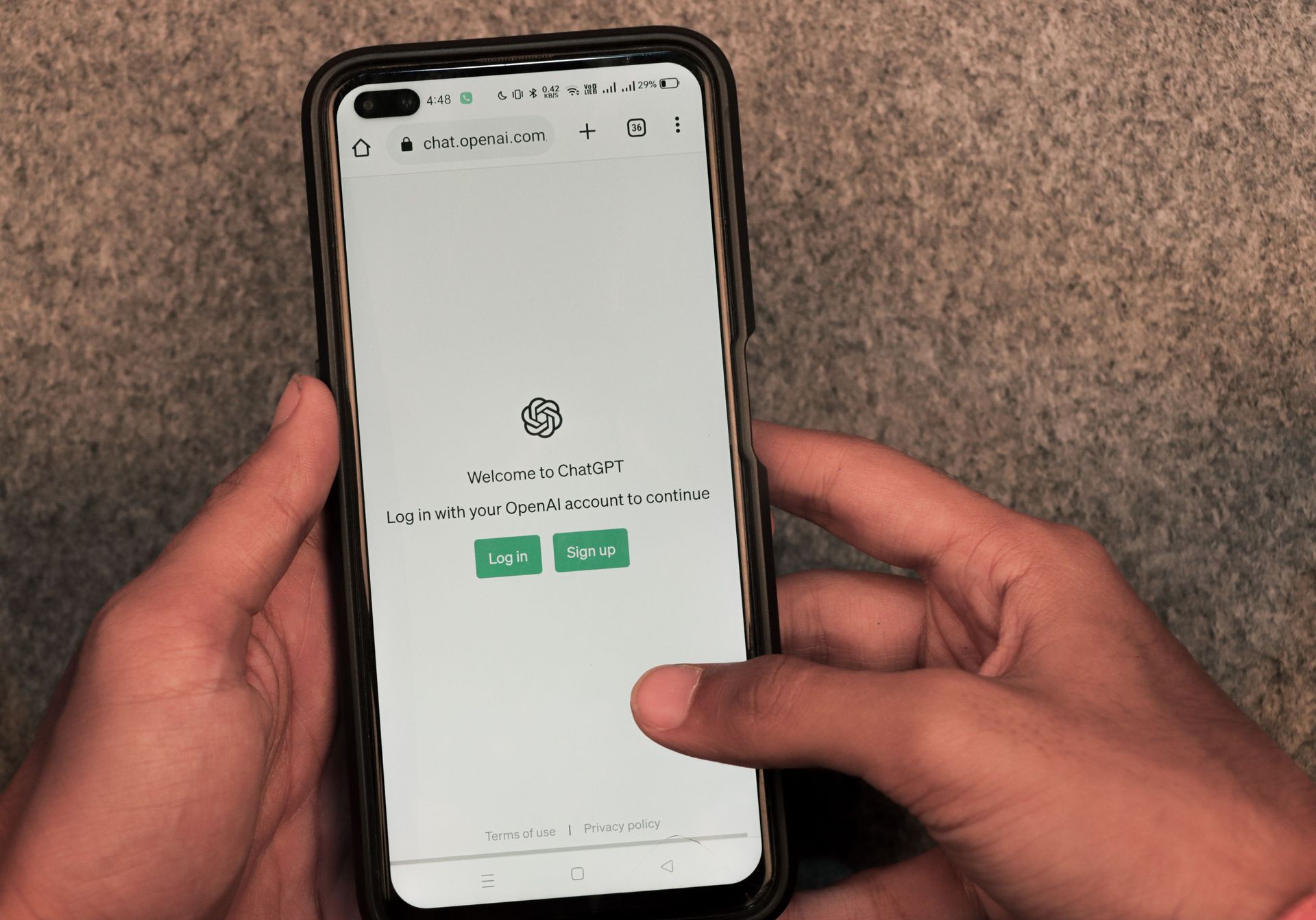
The era of AI as a passive chat tool is over. GPT-6 Astra is a digital operator that can handle your daily workflows, finances, and client hunting.

Mystic Media Launches Custom Web Project for 27 Squared Marketing in Just 9 Days

AI Slop Problem - Write naturally to solve specific user problems rather than artificially inflating word counts around targeted keywords.

This September, MMDC is honored to support the American Foundation for Suicide Prevention (AFSP), an organization dedicated to saving lives and bringing hope to those affected by suicide through research, education, advocacy, and community support.

This July, MMDC is proud to support SickKids Foundation, an organization dedicated to funding world-class pediatric care, research, and education. Through every breakthrough and every act of generosity, SickKids is helping children across Canada and around the world live healthier, happier lives.
For years, small businesses have treated social media as a necessary chore. You post a graphic, use a few hashtags, cross your fingers for likes, and hope it eventually turns into a lead. But if you are still using social media just to keep your feed "active," you are leaving serious revenue on the table. In 2026, social media is no longer an isolated echo chamber. It is the primary data source that Large Language Models (LLMs)—like ChatGPT, Gemini, and Google’s AI Overviews—use to understand, verify, and recommend brands. When a prospect asks ChatGPT, "Who is the most reliable commercial HVAC contractor in Tampa?" or "What is the best local managed IT service?" , the AI doesn't just scan your website. It pulls from Reddit threads, YouTube tutorials, and LinkedIn discussions. Here is how smart brands are shifting their strategy from chasing cheap clicks to engineering AI visibility—and how you can do it, too. The Shift: From "Content Calendars" to "Signal Generation" Traditional SEO focused on stuffing keywords into website pages so Google would rank you higher. Generative Engine Optimization (GEO) and Answer Engine Optimization (AEO) require a different approach. AI search engines look for E-E-A-T (Experience, Expertise, Authoritativeness, and Trustworthiness). They find this by scanning social platforms for authentic human context. Your goal is no longer just to get a user to double-tap your photo; it is to feed the algorithms the exact signals they need to cite your business as the definitive authority. The New Rule of Search: Social Media ➔ LLM Context ➔ Global Search Authority. The 2026 Playbook: Winning the Major Platforms Every platform requires a specific signal to prove your authority to search engines. 1. LinkedIn: Optimize for "Dwell Time" (Not Just Likes) LinkedIn’s algorithm—and the AI systems crawling it—heavily rewards passive reading, or "dwell time." Stop treating LinkedIn like a bulletin board for company announcements. Instead, treat every post as a high-value mini-article. Lead with a strong hook, break down a complex industry problem, and provide the exact framework you use to solve it. When executives spend two minutes reading your post without scrolling, it signals immense authority to the algorithm, establishing your leadership team as true industry experts. 2. YouTube & TikTok: Own the "How-To" Space Google’s search results now prominently feature video carousels, and AI tools constantly pull transcripts from videos to answer user questions. To capitalize on this, your spoken words must be treated as an SEO system. If your target customer is searching for "How to fix a leaking commercial roof," those exact words must be spoken in the first five seconds of your video. Pair this with highly accurate closed captions and keyword-rich descriptions. You aren't just making a video; you are building an evergreen asset that will rank in search results for years. 3. Reddit: The Ultimate Trust Signal Right now, Reddit is one of the most frequently cited domains by AI platforms. Why? Because it represents unfiltered, authentic human experience. However, brands cannot just drop promotional links in subreddits—the community will immediately reject them. The strategy here is substantive participation. By monitoring local or industry-specific subreddits and providing genuinely helpful, brand-agnostic advice, you build a digital footprint of trust that AI engines rely on when recommending solutions. Stop Guessing. Start Dominating. The landscape of search has permanently changed. Trying to manage traditional SEO, run a business, and engineer AI signals across five different social platforms is a recipe for burnout. You need a strategy that aligns your Web Design, SEO, and Social Media into one frictionless ecosystem—maximizing your visibility while removing the operational headache from your plate. At Mystic Media , we don't just post content; we architect your digital authority. Our integrated approach to AI Content Optimization, Social Media Management, and Better SEO ensures that when your customers ask the internet a question, your brand is the only answer. Ready to future-proof your digital presence? Request a Demo today or call our team at (866) 764-2877 . Let's build the digital success you deserve.

MMDC is proud to support St. Jude Children’s Research Hospital, an organization that has transformed the fight against childhood cancer through groundbreaking research, exceptional patient care, and a promise that families never receive a bill for treatment, travel, housing, or food.

Stop Relying on Word-of-Mouth Alone — Here's How Smart HVAC Businesses Win Online

This May, MMDC is proud to support The W.O.W. Project, a New York City-based organization dedicated to protecting and celebrating Asian American culture, intergenerational storytelling, and community empowerment through creative activism.