Digital Marketing for Small Business Owners
August 18, 2021
Let's Make Digital Marketing Work for Your Business
We carry technology around with us at all times. Cell phones, tablets, and laptops have become fixtures in our “leaving the house” routine – given that access to the digital world is a must for individuals all around the world, why not make that digital realm work for your small business? Print and radio ads still hold their merit, but there truly is no resource like digital marketing. Let’s take a look at how to market digitally in order to grow your business.
Bigger doesn’t mean better
– It’s easy to want to dive into the deep end of the pool when it comes to launching your first digital ad campaign, but launching a national-wide series of social media ads probably isn’t going to garner you the attention that you want. In fact, it’s possible that an ad campaign launched over too broad an area will not garner any attention. When putting together an ad campaign on Facebook, Instagram, Twitter, or other major social media players, it’s best to target specific localities surrounding your business’s location. Invest your money in targeting more local consumers and you’re likely to see higher rates of engagement and conversion.
Email is not dead
– Compiling an email list of customers for regular outreach is a surefire way to increase engagement with your business. Whether it be a monthly newsletter, new product or service announcements, or coupon offerings, keeping in touch with customers via email is one of the most cost effective ways to market digitally.
Create or maintain your Google My Business Page
– Another impressively cheap and effective digital marketing strategy is to actively engage with your Google My Business page. Free to create and maintain, the My Business function within Google helps ensure that your business details are accurate and allows people searching for your business (or similar businesses) have all the right information about contacting you.
Start up a blog
– One of the best ways to generate search engine traffic without needing to pay for keyword results is to install a blog within your business’s website. Maintaining a blog page does not need to be a full-time investment, but it should be treated to regular updates. Most successful business blogs feature information about their products and services, written in a way which answers questions while utilizing keywords so that search engines will start to rank your website higher when customers search for relevant terms.
It’s not all about imagery
– Excellent graphic design alone does not produce customers. When it comes to digital marketing, content is king. Having well-written copy attached to your blog, ad campaigns, and email blasts is the best way to convert or retain customers. Similar to generating excitement around a new book or movie, you need a well-edited script to properly reach and engage your audience.
Encourage your customers to leave you reviews
– Whether it be on Google, Yelp, Facebook, or any other customer feedback platform, encourage satisfied customers to leave you positive feedback! A lot of businesses miss the opportunity to encourage their customers to leave positive reviews online and end up only receiving ratings when a customer is dissatisfied, which can tank their ratings and encourage negative attention.
Digital marketing doesn’t need to be complicated – just consistent. Establish your company’s voice and don’t back down from it; your customers will know if your advertising is disingenuous!
Looking to implement or strengthen your digital marketing efforts? MysticMedia Dot Com is here to help. With decades of experience behind the wheel of small business digital marketing efforts, the MMDC team looks forward to helping your small business grow. Learn more about us here or contact us today
to see how we can help.
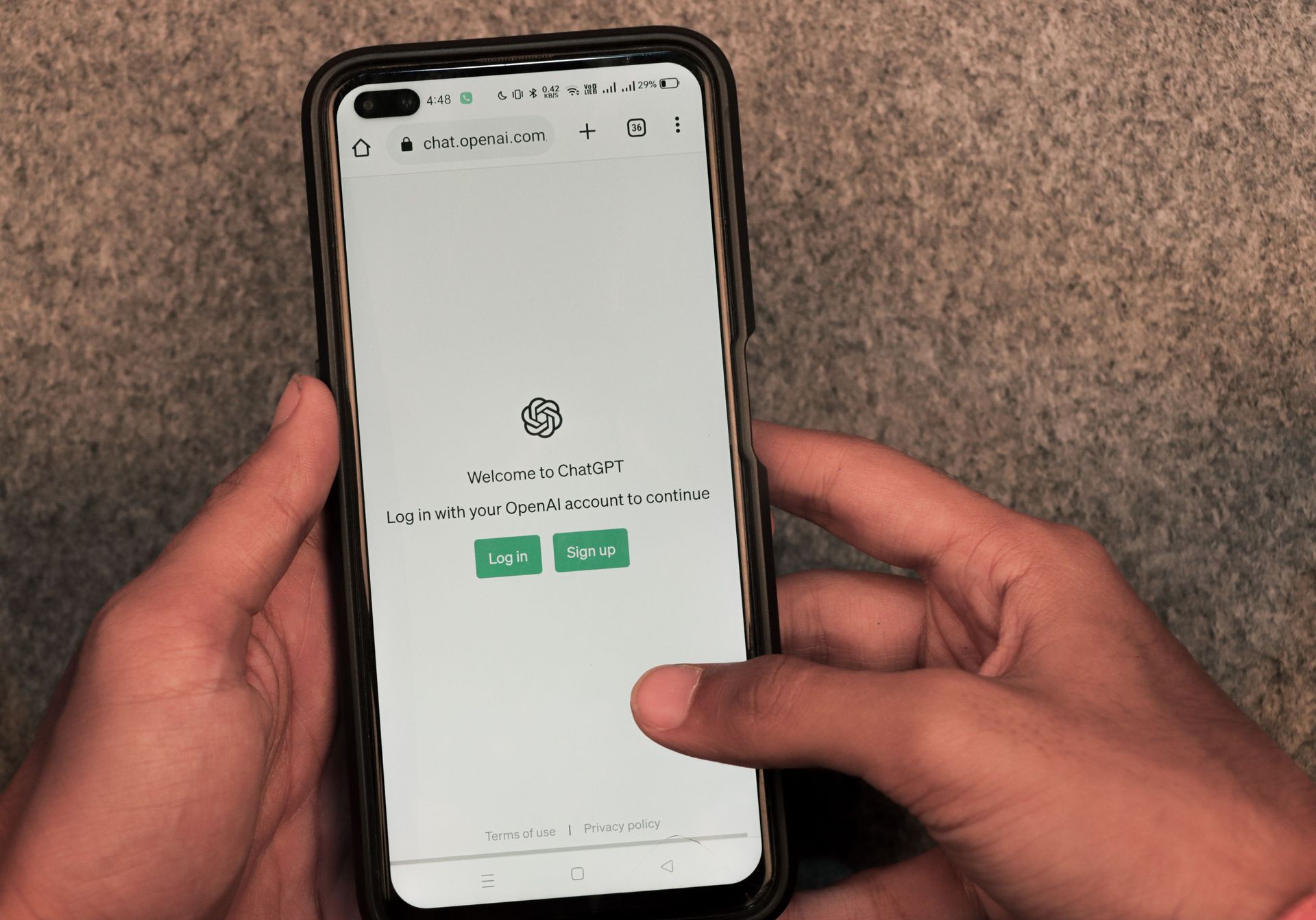
The era of AI as a passive chat tool is over. GPT-6 Astra is a digital operator that can handle your daily workflows, finances, and client hunting.

Mystic Media Launches Custom Web Project for 27 Squared Marketing in Just 9 Days

AI Slop Problem - Write naturally to solve specific user problems rather than artificially inflating word counts around targeted keywords.

This September, MMDC is honored to support the American Foundation for Suicide Prevention (AFSP), an organization dedicated to saving lives and bringing hope to those affected by suicide through research, education, advocacy, and community support.

This July, MMDC is proud to support SickKids Foundation, an organization dedicated to funding world-class pediatric care, research, and education. Through every breakthrough and every act of generosity, SickKids is helping children across Canada and around the world live healthier, happier lives.
For years, small businesses have treated social media as a necessary chore. You post a graphic, use a few hashtags, cross your fingers for likes, and hope it eventually turns into a lead. But if you are still using social media just to keep your feed "active," you are leaving serious revenue on the table. In 2026, social media is no longer an isolated echo chamber. It is the primary data source that Large Language Models (LLMs)—like ChatGPT, Gemini, and Google’s AI Overviews—use to understand, verify, and recommend brands. When a prospect asks ChatGPT, "Who is the most reliable commercial HVAC contractor in Tampa?" or "What is the best local managed IT service?" , the AI doesn't just scan your website. It pulls from Reddit threads, YouTube tutorials, and LinkedIn discussions. Here is how smart brands are shifting their strategy from chasing cheap clicks to engineering AI visibility—and how you can do it, too. The Shift: From "Content Calendars" to "Signal Generation" Traditional SEO focused on stuffing keywords into website pages so Google would rank you higher. Generative Engine Optimization (GEO) and Answer Engine Optimization (AEO) require a different approach. AI search engines look for E-E-A-T (Experience, Expertise, Authoritativeness, and Trustworthiness). They find this by scanning social platforms for authentic human context. Your goal is no longer just to get a user to double-tap your photo; it is to feed the algorithms the exact signals they need to cite your business as the definitive authority. The New Rule of Search: Social Media ➔ LLM Context ➔ Global Search Authority. The 2026 Playbook: Winning the Major Platforms Every platform requires a specific signal to prove your authority to search engines. 1. LinkedIn: Optimize for "Dwell Time" (Not Just Likes) LinkedIn’s algorithm—and the AI systems crawling it—heavily rewards passive reading, or "dwell time." Stop treating LinkedIn like a bulletin board for company announcements. Instead, treat every post as a high-value mini-article. Lead with a strong hook, break down a complex industry problem, and provide the exact framework you use to solve it. When executives spend two minutes reading your post without scrolling, it signals immense authority to the algorithm, establishing your leadership team as true industry experts. 2. YouTube & TikTok: Own the "How-To" Space Google’s search results now prominently feature video carousels, and AI tools constantly pull transcripts from videos to answer user questions. To capitalize on this, your spoken words must be treated as an SEO system. If your target customer is searching for "How to fix a leaking commercial roof," those exact words must be spoken in the first five seconds of your video. Pair this with highly accurate closed captions and keyword-rich descriptions. You aren't just making a video; you are building an evergreen asset that will rank in search results for years. 3. Reddit: The Ultimate Trust Signal Right now, Reddit is one of the most frequently cited domains by AI platforms. Why? Because it represents unfiltered, authentic human experience. However, brands cannot just drop promotional links in subreddits—the community will immediately reject them. The strategy here is substantive participation. By monitoring local or industry-specific subreddits and providing genuinely helpful, brand-agnostic advice, you build a digital footprint of trust that AI engines rely on when recommending solutions. Stop Guessing. Start Dominating. The landscape of search has permanently changed. Trying to manage traditional SEO, run a business, and engineer AI signals across five different social platforms is a recipe for burnout. You need a strategy that aligns your Web Design, SEO, and Social Media into one frictionless ecosystem—maximizing your visibility while removing the operational headache from your plate. At Mystic Media , we don't just post content; we architect your digital authority. Our integrated approach to AI Content Optimization, Social Media Management, and Better SEO ensures that when your customers ask the internet a question, your brand is the only answer. Ready to future-proof your digital presence? Request a Demo today or call our team at (866) 764-2877 . Let's build the digital success you deserve.

MMDC is proud to support St. Jude Children’s Research Hospital, an organization that has transformed the fight against childhood cancer through groundbreaking research, exceptional patient care, and a promise that families never receive a bill for treatment, travel, housing, or food.

Stop Relying on Word-of-Mouth Alone — Here's How Smart HVAC Businesses Win Online

This May, MMDC is proud to support The W.O.W. Project, a New York City-based organization dedicated to protecting and celebrating Asian American culture, intergenerational storytelling, and community empowerment through creative activism.
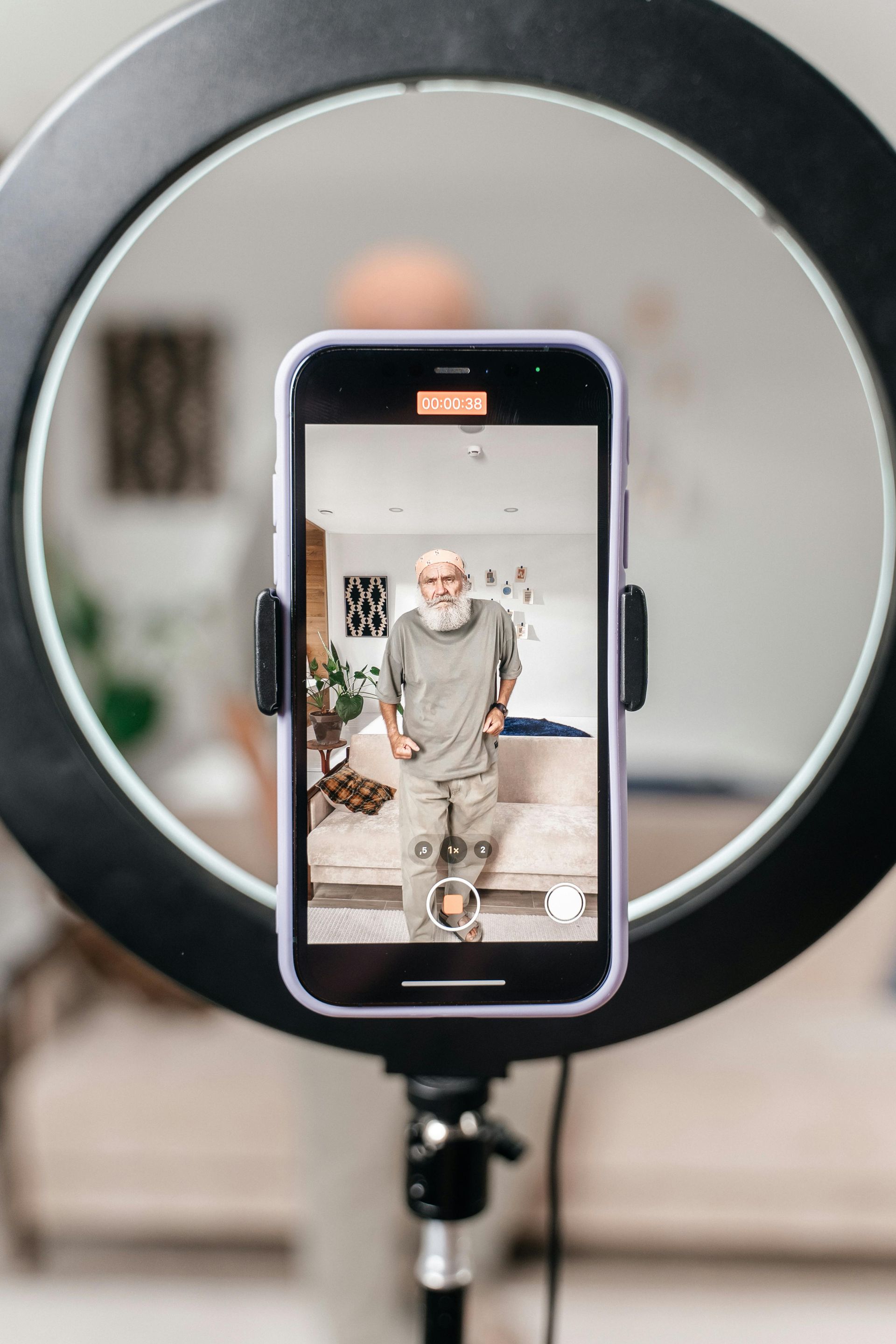
Stop guessing what to post. This platform-by-platform short-form video guide gives small businesses real strategies, content ideas, and posting schedules for Reels, Shorts, and TikTok in 2026.