Understanding E.E.A.T: The Pillar of SEO Success

May 28, 2024

Why Expertise, Experience, Authoritativeness, and Trustworthiness Matter in SEO
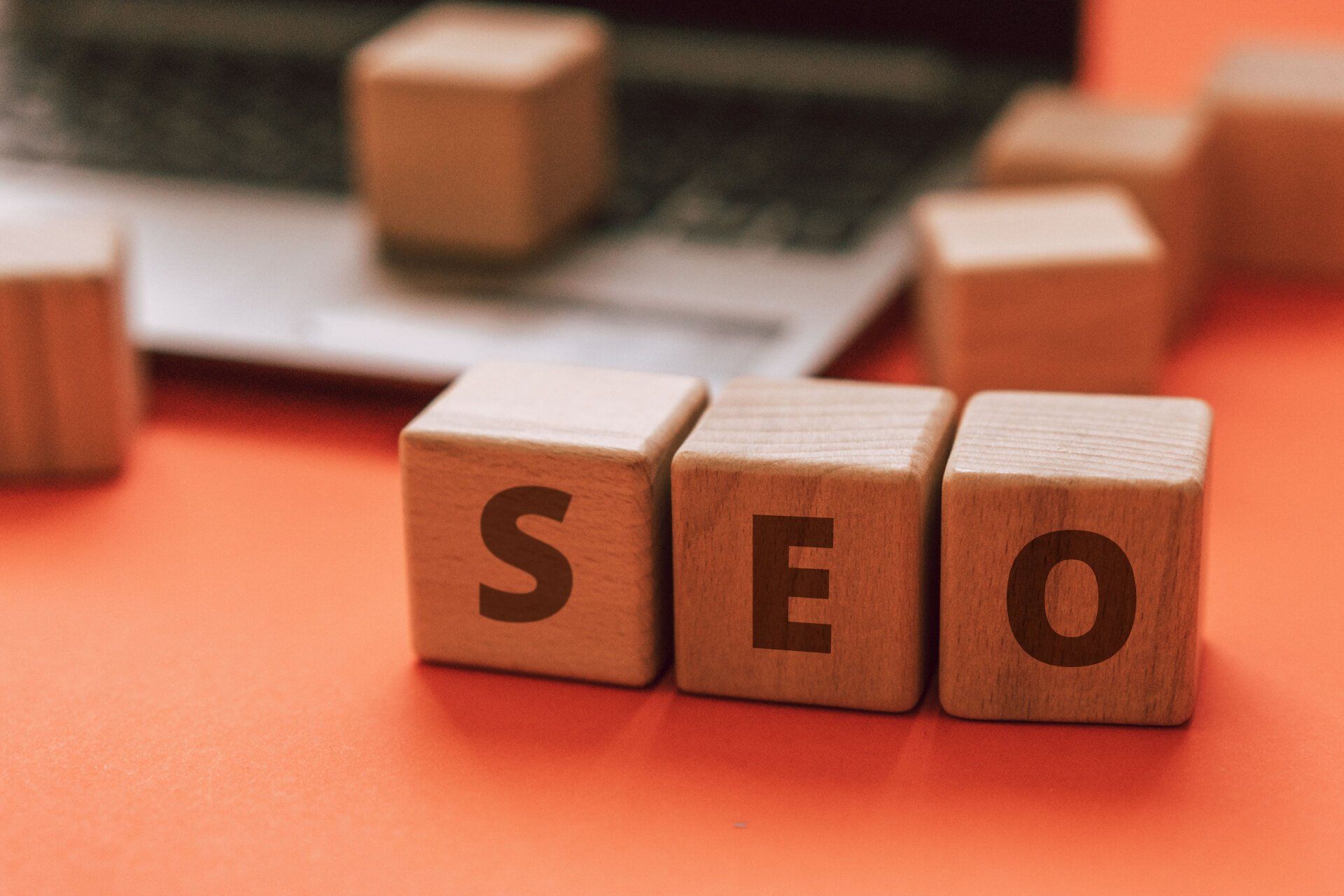
In search engine optimization (SEO), staying ahead of the curve means understanding and implementing fundamental principles that influence search engine rankings. One such principle that has gained significant attention is E.E.A.T, which stands for Expertise, Experience, Authoritativeness, and Trustworthiness. These four elements are critical for improving your website’s search engine visibility and building a solid online presence. Let’s delve into what E.E.A.T means and why it is essential for SEO.


What is E.E.A.T? 


E.E.A.T is a set of criteria used by Google to evaluate the quality of content and websites. It stands for:


E
xpertise: This refers to the knowledge and skill of the content creator. Is the information provided by someone who is an expert in their field? For instance, a medical article written by a certified doctor will be considered more credible than one written by someone with no medical background.


E
xperience: This recent addition to E.E.A.T emphasizes the importance of the content creator’s experience. Google values firsthand experience and insights, especially regarding topics where personal experience can significantly impact the content’s value and relevance. 


A
uthoritativeness: This relates to the credibility of the content and the website as a whole. Is the website recognized as a reliable source in its industry? Your website can demonstrate reliability through backlinks from other reputable sites, citations, and the overall reputation of the content creator.


T
rustworthiness: Trust is paramount. Does the content provide accurate and honest information? Is the website transparent about its sources, authors, and intentions? Ensuring user safety and data privacy also falls under this category.


Why is E.E.A.T Important for SEO?


  1. Improved Search Rankings: Google aims to provide users with the most relevant and high-quality information. By adhering to E.E.A.T principles, Google’s algorithms will likely favour your website. High E.E.A.T scores can lead to better rankings in search engine results pages (SERPs), driving more organic traffic to your site.
  2. Enhanced User Experience: Websites that prioritize E.E.A.T. tend to offer better user experiences. When users find accurate, reliable, and expert information, they are more likely to trust and engage with the content. This can lead to higher dwell times, lower bounce rates, and increased user satisfaction—all of which positively impact SEO. 
  3. Building Credibility and Authority: A strong E.E.A.T profile helps establish your website as a credible and authoritative source in your industry. This not only boosts SEO but also enhances your brand’s reputation. Users who see your site as a trusted source are more likely to return and recommend it to others.
  4. Future-Proofing Your SEO Strategy: As search engines become more sophisticated, the focus on content quality and credibility will only increase. By incorporating E.E.A.T principles into your SEO strategy now, you are better prepared for future algorithm updates and changes in search engine requirements.


Understanding and implementing E.E.A.T principles is crucial for anyone looking to improve their SEO performance. By focusing on Expertise, Experience, Authoritativeness, and Trustworthiness, you can enhance your website’s credibility, improve search rankings, and build a loyal audience. Make E.E.A.T a core part of your digital strategy to stay ahead in the competitive online landscape.

By Jim Moore • October 29, 2026
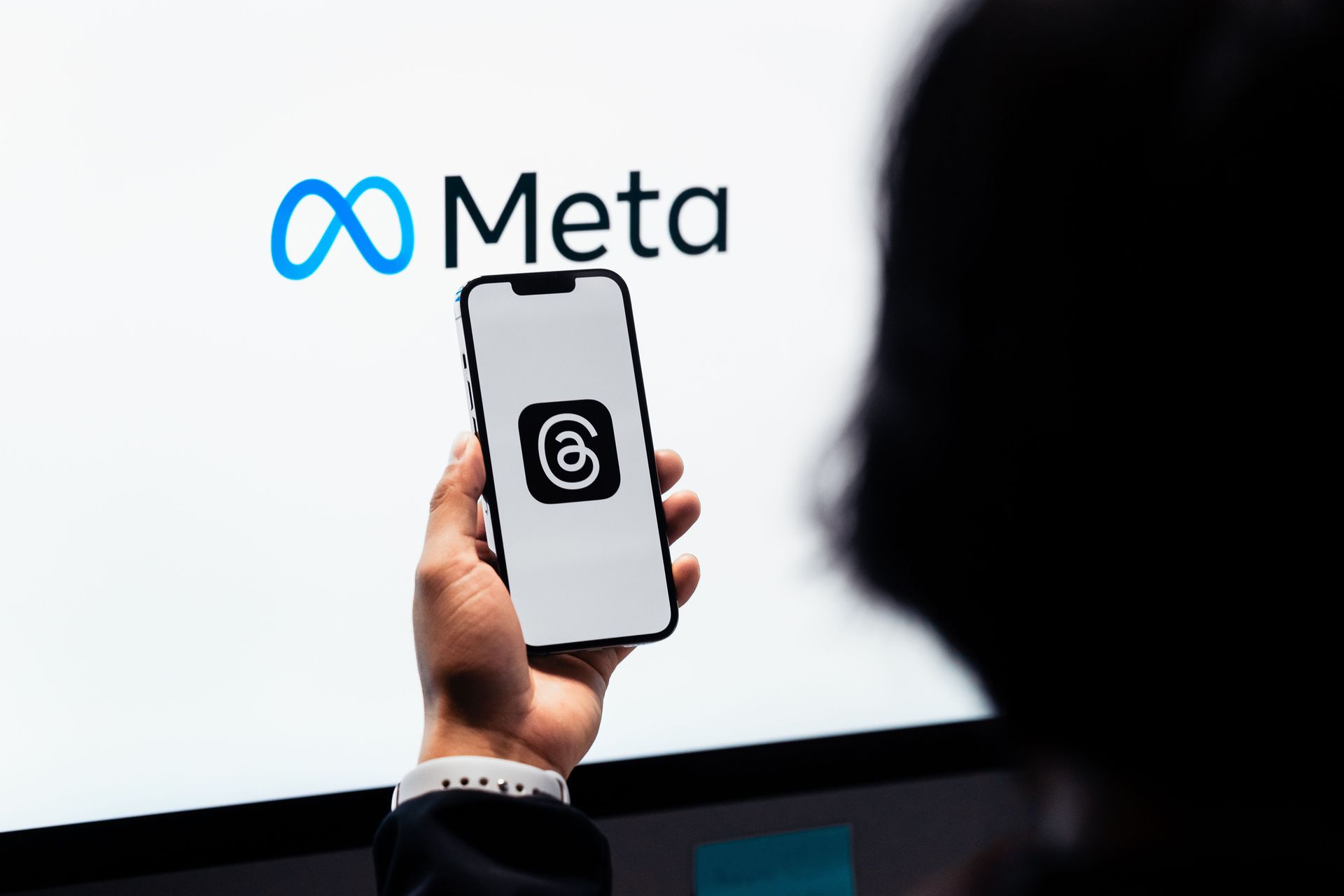
Quick Answer: Small business owners don't need to pick just one AI agent— Meta Muse for Small Business and Anthropic's Claude 5.5 solve two different problems. Meta Muse is your front-office operator for Instagram, Facebook, Shopify, and QuickBooks, while Claude 5.5 is your back-office brain for financial audits, website speed, and human-grade copy that avoids Google's "AI Slop" penalties. Last month, we showed how OpenAI's GPT-6 Astra ended the era of passive chatbots. Weeks later, two major launches brought agentic AI straight into the apps small businesses already use: Meta's Muse for Small Business (soon upgraded with Muse Wonder) and Anthropic's Claude Opus 5.5 and Claude Sonnet 5.5. As Meta noted at launch, small business owners are "short on hours, not ideas" (About Meta). Here is how both agents work—and how to pair them to scale on a lean budget.
Pink awareness ribbon on a soft pink background
October 23, 2026
October is often associated with pink ribbons, awareness walks, and conversations about breast cancer. But behind every ribbon is a much more personal story: a person navigating a diagnosis, a family learning how to offer support, a survivor finding a new sense of normal, or a loved one hoping for better treatment opti
By Jim Moore • September 30, 2026
Running a company means watching every dollar and every minute. You cannot afford to pour money into marketing tactics that fail to bring paying clients through your doors. We see local shops, contractors, and professional service providers struggle when they rely solely on word of mouth or unpredictable social media
Two people clink pizza slices over a table in a bright cafe by a window.
September 24, 2026
Sometimes making a difference starts with something as simple as sharing a pizza. We were inspired by Jay Luigi, a Ciccio Restaurante Group brand, and its mission. Their participation encouraged MMDC to contribute directly and help spread the word about a program that brings restaurants and communities together to figh
Hands holding a smartphone displaying a login screen with green buttons on a brown surface
September 17, 2026
Discover how small businesses can leverage Astra to automate operations and scale client hunting without inflating their budget.
Accelerating Digital Growth: A High-Performance Site Built on M/Flex in Record Time
By Jim Moore • September 10, 2026
Mystic Media Launches Custom Web Project for 27 Squared Marketing in Just 9 Days
By Jim Moore • September 10, 2026
AI Slop Problem - Write naturally to solve specific user problems rather than artificially inflating word counts around targeted keywords.
Black ribbon awareness graphic with “PROTECT YOURSELF” on a tan background
August 31, 2026
This September, MMDC is honored to support the American Foundation for Suicide Prevention (AFSP), an organization dedicated to saving lives and bringing hope to those affected by suicide through research, education, advocacy, and community support.
Adult and two children baking together in a bright kitchen, smiling by a countertop with ingredients.
August 1, 2026
This July, MMDC is proud to support SickKids Foundation, an organization dedicated to funding world-class pediatric care, research, and education. Through every breakthrough and every act of generosity, SickKids is helping children across Canada and around the world live healthier, happier lives.
Smartphone home screen with social media app icons on a dark background
July 22, 2026
For years, small businesses have treated social media as a necessary chore. You post a graphic, use a few hashtags, cross your fingers for likes, and hope it eventually turns into a lead. But if you are still using social media just to keep your feed "active," you are leaving serious revenue on the table. In 2026, social media is no longer an isolated echo chamber. It is the primary data source that Large Language Models (LLMs)—like ChatGPT, Gemini, and Google’s AI Overviews—use to understand, verify, and recommend brands.  When a prospect asks ChatGPT, "Who is the most reliable commercial HVAC contractor in Tampa?" or "What is the best local managed IT service?" , the AI doesn't just scan your website. It pulls from Reddit threads, YouTube tutorials, and LinkedIn discussions. Here is how smart brands are shifting their strategy from chasing cheap clicks to engineering AI visibility—and how you can do it, too. The Shift: From "Content Calendars" to "Signal Generation" Traditional SEO focused on stuffing keywords into website pages so Google would rank you higher. Generative Engine Optimization (GEO) and Answer Engine Optimization (AEO) require a different approach. AI search engines look for E-E-A-T (Experience, Expertise, Authoritativeness, and Trustworthiness). They find this by scanning social platforms for authentic human context. Your goal is no longer just to get a user to double-tap your photo; it is to feed the algorithms the exact signals they need to cite your business as the definitive authority. The New Rule of Search: Social Media ➔ LLM Context ➔ Global Search Authority. The 2026 Playbook: Winning the Major Platforms Every platform requires a specific signal to prove your authority to search engines. 1. LinkedIn: Optimize for "Dwell Time" (Not Just Likes) LinkedIn’s algorithm—and the AI systems crawling it—heavily rewards passive reading, or "dwell time." Stop treating LinkedIn like a bulletin board for company announcements. Instead, treat every post as a high-value mini-article. Lead with a strong hook, break down a complex industry problem, and provide the exact framework you use to solve it. When executives spend two minutes reading your post without scrolling, it signals immense authority to the algorithm, establishing your leadership team as true industry experts. 2. YouTube & TikTok: Own the "How-To" Space Google’s search results now prominently feature video carousels, and AI tools constantly pull transcripts from videos to answer user questions. To capitalize on this, your spoken words must be treated as an SEO system. If your target customer is searching for "How to fix a leaking commercial roof," those exact words must be spoken in the first five seconds of your video. Pair this with highly accurate closed captions and keyword-rich descriptions. You aren't just making a video; you are building an evergreen asset that will rank in search results for years. 3. Reddit: The Ultimate Trust Signal Right now, Reddit is one of the most frequently cited domains by AI platforms. Why? Because it represents unfiltered, authentic human experience. However, brands cannot just drop promotional links in subreddits—the community will immediately reject them. The strategy here is substantive participation. By monitoring local or industry-specific subreddits and providing genuinely helpful, brand-agnostic advice, you build a digital footprint of trust that AI engines rely on when recommending solutions. Stop Guessing. Start Dominating. The landscape of search has permanently changed. Trying to manage traditional SEO, run a business, and engineer AI signals across five different social platforms is a recipe for burnout. You need a strategy that aligns your Web Design, SEO, and Social Media into one frictionless ecosystem—maximizing your visibility while removing the operational headache from your plate. At Mystic Media , we don't just post content; we architect your digital authority. Our integrated approach to AI Content Optimization, Social Media Management, and Better SEO ensures that when your customers ask the internet a question, your brand is the only answer. Ready to future-proof your digital presence? Request a Demo today or call our team at (866) 764-2877 . Let's build the digital success you deserve.